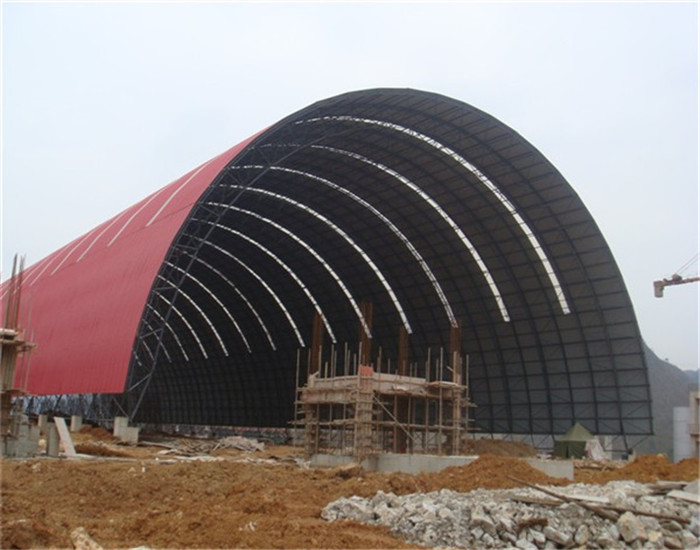
Different Types of Coal Storage Methods
In a Coal based captive thermal power plant, coal storage plays a vital part for effective running of the power plant. The main purpose of storage

In a Coal based captive thermal power plant, coal storage plays a vital part for effective running of the power plant. The main purpose of storage
Petcoke Storage Similar to coal, Petcoke (by-product of the oil refining process) is widely used in thermal power plants for power generation due to its
Role of Gypsum in Cement Industry: Limestone, gypsum, slag & other additives are the most common raw materials used in cement production. Gypsum is a

Sulphur Storage: Large quantities of sulphur are transported, handled & consumed as an additive in cement industry and it is stored in sulphur storage sheds.

Coal Gasification: Coal Gasification is a process that can turn coal into clean power, chemicals, hydrogen & transportation fuels that can be further used to
Limestone storage: In cement plant, one of the major component for clinker or cement formation is limestone. Dispatch, storage and processing of limestone can be
Additive storage: The prime use of additive is to enhance the properties of mortar that has taken place for many centuries. In big cement plants,

Coal Storage: For a fruitful outcome of thermal Power Plants, the business of industrial coal storage domes for large quantities is on top priority for
Limestone Storage: The most common raw materials used for cement production is limestone, which is usually extracted from a quarry adjacent to or nearby the

Coal Storage: Coal is a fossil fuel just like oil and natural gas. In thermal power plants, coal storage or petcoke storage (as the most